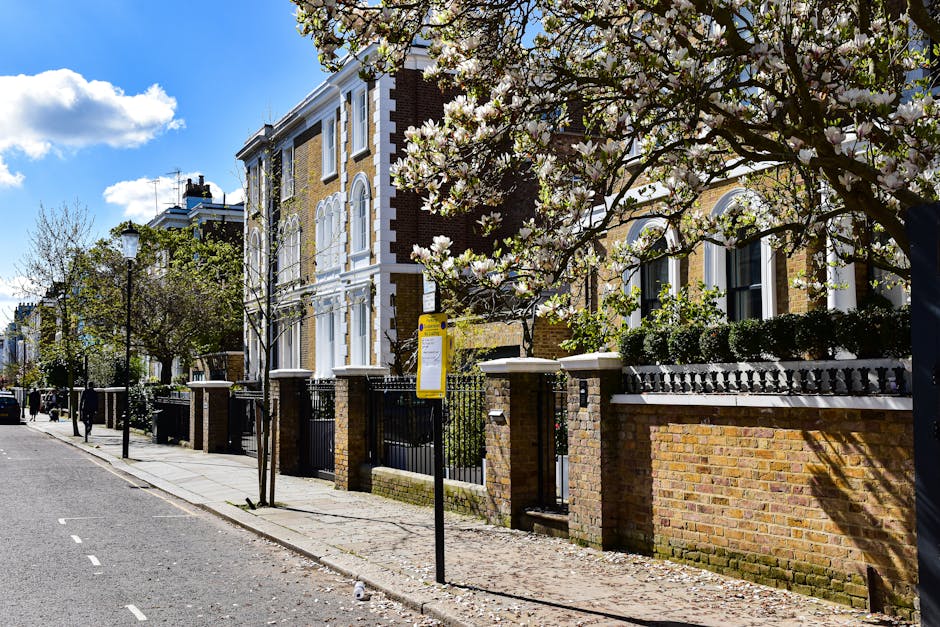
Holland Park Avenue Access Problems and Removals Solutions
If you are planning a move on or around Holland Park Avenue, you already know the issue is rarely the boxes. It is the access. Narrow stretches, busy traffic, awkward entrances, parking pressure, stairs, timing restrictions, and the occasional "where on earth does the van actually stop?" moment can turn a simple move into a long day. This guide to Holland Park Avenue access problems and removals solutions explains the practical side of moving in this part of west London, so you can avoid delays, protect your belongings, and keep the whole process calm enough to manage.
Truth be told, the difference between a smooth move and a stressful one is usually the planning done before the van arrives. With the right approach, even a difficult access job can be handled neatly. Let's look at what makes Holland Park Avenue tricky, how removal teams work around it, and which solutions tend to save the most time, energy, and money.
Why Holland Park Avenue access problems and removals solutions Matters
Holland Park Avenue sits in one of those London corridors where space feels precious. Traffic moves, then pauses. Loading space disappears quickly. Entrances can be tight, shared, or awkwardly positioned. And if you are moving from a flat above street level, the challenge ramps up fast. These are not small inconveniences. They shape everything from the size of vehicle you need to the number of movers, the time slot you choose, and whether your move finishes on schedule.
Access problems matter because they affect three things at once: time, safety, and cost. If a van cannot stop close enough, carrying distances get longer. If the lift is small or unavailable, lifting gets harder. If parking is not thought through, the crew may spend more time hunting for space than actually moving your things. That is where sensible removals solutions come in. They reduce friction before it starts.
In our experience, people usually underestimate access in the first conversation and then remember it painfully on moving day. A sofa that looked fine in the living room suddenly becomes the item that takes twenty minutes to angle through a stairwell. A piano? Even more so. A few minutes of honest planning can prevent a lot of heavy breathing and a couple of risky manoeuvres.
Expert summary: On Holland Park Avenue, the best removals solution is rarely the biggest truck. It is the best-matched vehicle, the right crew size, and a plan for stopping, carrying, and unloading without surprises.
How Holland Park Avenue access problems and removals solutions Works
The process starts with assessing access properly. That means looking at the building entrance, stair width, lift size, parking options, loading restrictions, road width, and the distance from vehicle to front door. Sometimes the real issue is not the street itself but the final ten metres: a gated forecourt, a basement entrance, a narrow side passage, or a reception desk that blocks a direct route. Small details, big effect.
Once the access picture is clear, the removals plan can be built around it. A good moving setup might include a smaller vehicle, a timed arrival window, extra porters, protective packing, temporary storage, or a split move where bulky items go first and everything else follows later. The best solution depends on the property type and the objects being moved.
If you are dealing with a flat move, a service such as flat removals is often a more realistic fit than a generic full-house approach. For homes, a structured home moves plan gives more room to organise the route, packing, and timing. And if you are shifting a smaller load or one awkward item, a man and van option can be a sensible middle ground.
The point is not to overcomplicate it. It is to match the move to the reality of the street. That is where the savings happen. Not glamorous, perhaps, but effective.
Key Benefits and Practical Advantages
Working around access issues properly brings more than convenience. It changes the whole feel of the move. You notice it in the timing, but also in the level of stress in the room. Fewer surprises usually means fewer breakages too.
- Less delay at the kerbside: A vehicle planned for the route can stop, unload, and move on without unnecessary circling.
- Lower risk of damage: When items are carried the right distance, using the right kit, the chances of scrapes and knocks go down.
- Better protection for buildings: Hallways, bannisters, doors, and flooring are less likely to suffer when the move is organised around tight access.
- Cleaner team coordination: Everyone knows where the van goes, where items go next, and which pieces need extra care.
- Less physical strain: This sounds obvious, but it matters. Carrying from the wrong stopping point is exhausting. And by hour three, nobody is at their sharpest.
There is also a planning benefit that people often miss: access-friendly moves create better backup options. If a lift fails, if parking is tighter than expected, or if the road is busier than hoped, a prepared team can adapt without the whole day collapsing. That flexibility is worth a lot.
For customers who want extra peace of mind, it can help to review practical standards such as insurance and safety before the move. It is a small step, but it reassures you that the move is being handled with proper care.
Who This Is For and When It Makes Sense
This topic is most relevant if you are moving from a property where access is anything but straightforward. That includes first-floor and higher flats, period conversions, mansion blocks, basement homes, mixed-use buildings, or addresses where the street is busy enough that parking becomes a tactical decision.
It is also worth thinking about access solutions if you have any of the following:
- Large furniture that cannot be carried easily around corners
- Heavy or fragile items such as a piano, mirror, or antique cabinet
- Limited lift access, or no lift at all
- Restricted loading times or short parking windows
- A business move that needs minimal disruption
- Short notice moving plans, where there is not much room for error
Businesses often need a more controlled plan. If that sounds familiar, office removals or commercial moves are better suited to staged packing, timed access, and careful handling of equipment. For people with modest loads, the lighter-touch man with van approach may be enough. Different jobs, different rhythm.
Students, by the way, often need speed more than scale. For that kind of move, student removals can be a practical fit, especially when the route involves stairs, shared entrances, or a move-in time that is a bit tight. Real life rarely gives you a perfect loading bay. You work with what you've got.
Step-by-Step Guidance
Here is a straightforward way to handle Holland Park Avenue access problems without making the move feel bigger than it needs to be.
- Check the property access carefully. Measure doorways, stair widths, lift dimensions, and any sharp turns. Note whether the entrance is level, stepped, or partially obstructed.
- Look at the street setup. Consider parking distance, loading options, peak traffic times, and whether a larger vehicle would make things harder rather than easier.
- List bulky and fragile items early. Sofas, wardrobes, beds, pianos, and glass pieces need more planning than boxes of books. Much more, actually.
- Choose the right moving format. For a full household move, services like house removals or house removalists may suit you better than a smaller van-only arrangement.
- Decide whether packing support will help. If time is short, packing and boxes or packing and unpacking services can reduce the pressure on moving day.
- Build in a buffer. Access delays happen. A late lift, a blocked bay, or a heavy rain shower can slow everything down. A small buffer is not pessimism. It is common sense.
- Consider temporary storage if needed. If the property is not ready or access is awkward at both ends, storage can keep the move from becoming messy.
- Confirm the final plan before moving day. Check arrival time, vehicle size, crew size, and what happens if access changes last minute.
The key is sequencing. Sort access first, then packing, then vehicle size, then timing. That order is often what keeps the day under control.
Expert Tips for Better Results
If there is one thing that makes access-led moves easier, it is reducing unknowns. That sounds obvious, but in practice people leave too much to chance. A few expert habits can make a real difference.
- Walk the route from front door to van. Not just the front room. The whole route. You will spot hidden friction points, like a tight porch or a tricky turn at the bottom of the stairs.
- Keep essentials separate. Documents, keys, chargers, medicine, and one night's basics should not disappear into the main load. A surprisingly common mistake.
- Use better packing for awkward items. Strong boxes, wraps, blankets, and corner protection matter when the route includes narrow landings and hard edges.
- Think in stages. In difficult buildings, moving the largest items first can create space for everything else and reduce bottlenecks.
- Be honest about heavy items. If it needs more than two people, say so early. A last-minute scramble is never elegant.
If you are moving something unusual, like a piano or a large solid-wood unit, specialist handling is sensible. Piano removals exist for a reason. These pieces are awkward, valuable, and not the sort of thing you want to "just wing". Let's be honest, nobody wins that argument.
For smaller, flexible jobs where the access is still annoying but not extreme, a removal van can be easier to position than a larger vehicle. And if the move involves a lot of freight or oversized furniture, a moving truck or removal truck hire may be the better fit, provided the street and loading conditions support it.
Common Mistakes to Avoid
Most access problems become expensive when people make the wrong assumption early on. The good news? The mistakes are fairly predictable.
- Choosing the wrong vehicle size: Too large can be harder to park, too small can mean multiple trips. Neither is ideal.
- Ignoring stair and lift constraints: A lift that is technically present is not always practically useful. Size, weight limits, and booking rules matter.
- Failing to check parking restrictions: This is a classic. The van arrives, the road is full, and everyone suddenly starts improvising.
- Packing too late: Last-minute packing leads to weak boxes, poor labelling, and awkward loads that are harder to carry.
- Not mentioning access challenges upfront: If the moving team does not know there is a steep step, a narrow passage, or a tricky lift, the plan can fall apart fast.
- Overlooking insurance and safety details: In a tight-access environment, this is not a box-ticking exercise. It is part of sensible risk management.
There is another subtle issue: people sometimes expect access problems to magically disappear on the day. They do not. A good team can adapt, yes, but the better the briefing, the smoother the result. Small bit of honesty saves big headaches.
Tools, Resources and Recommendations
You do not need a lot of fancy equipment to make a difficult move work, but the right basics help a lot. Good kit reduces the chance of damage and usually speeds the job up.
Useful tools and support materials include:
- Strong moving boxes: Standard boxes are fine for lighter items, but heavier loads need sturdier packing.
- Furniture blankets and wraps: Ideal for protecting surfaces while carrying items through narrow halls or shared stairwells.
- Labels and a simple room plan: When access is awkward, clear labelling avoids extra shuffling at the destination.
- Trolleys and lifting aids: These can save effort on hard floors and longer carry routes.
- Storage options: Helpful when timing is split across days or if access is available only in stages.
If you are still comparing support options, removal services can be a useful umbrella for understanding what level of help you need, while removal companies is the right place to look if you are assessing providers generally rather than a single service type.
And if your move includes a lot of breakable household goods, furniture removals or furniture pick up may be useful depending on whether you are moving the items onward or clearing them out. Different jobs. Different fixes.
Law, Compliance, Standards, or Best Practice
For most readers, the important point is not legal theory; it is doing the job safely and responsibly. In the UK moving sector, best practice usually means clear communication, careful handling, sensible vehicle choice, and a realistic plan for access and parking. Where a building has rules, those rules should be followed. Where equipment or lifting may be risky, the work should be approached conservatively.
For residential moves in London, it is also wise to respect building management instructions, local parking conditions, and any stated loading limitations. If the property has a concierge, restricted access window, or lift booking system, factor that in early. It sounds mundane. It is actually one of the most useful things you can do.
From a safety point of view, the basics matter: protect floors, use suitable lifting technique, keep walkways clear, and avoid overloading people or equipment. If something feels too heavy or too awkward to move safely, it probably is. That is not drama; it is judgement.
It is also sensible to check the company's operational policies where relevant, including health and safety policy, terms and conditions, and payment and security. These pages help you understand expectations before anything is signed off. If you want to understand the business behind the service, about us is also worth a look, because trust usually starts with transparency.
Options, Methods, or Comparison Table
Not every access problem needs the same solution. Sometimes a full removals crew is right. Sometimes a smaller vehicle and a lighter plan is enough. Here is a simple comparison to help you think it through.
| Option | Best for | Pros | Watch-outs |
|---|---|---|---|
| Full house removals | Complete home moves with furniture, boxes, and larger items | More structured, better for heavier loads, efficient for bigger jobs | Can be overkill for tiny moves or limited access if vehicle choice is poor |
| Man and van | Smaller moves, flexible collections, awkward parking situations | More nimble, often easier on tight streets, good for short-distance jobs | May not suit large homes or multiple bulky items |
| Specialist item move | Pianos, antiques, oversized furniture | Better handling for high-risk items, reduced damage risk | Requires clear access info and enough space to manoeuvre |
| Storage-assisted move | Moves split across days or delayed handovers | Very useful when timing or access is uncertain | Needs extra coordination and planning |
If the move is commercial, the right comparison may be between a full managed move and a leaner setup. For office settings, office relocation services can offer a more coordinated route than simply hiring transport. That matters when desks, documents, monitors, and downtime all need to be managed together.
Case Study or Real-World Example
Picture a second-floor flat on Holland Park Avenue, with a narrow stairwell, a shared entrance, and a road that is busier than it looks at 8 a.m. The household has a sofa, dining table, bed frames, several boxes of books, and a couple of fragile items that really should not be crushed under anything.
Rather than turning up with one large vehicle and hoping for the best, the smarter plan is to use a van that can stop quickly, send in a smaller team at the right time, and load the largest items first. Boxes are staged near the exit. Fragile items are wrapped before they move. The team checks the route before lifting anything heavy. Simple things, but they add up.
The move is not glamorous. There is a bit of corridor juggling, one awkward pause at the bottom of the stairs, and the usual "who put this chair here?" moment. But the job finishes without rushed lifting or avoidable damage. Nobody is thrilled by the access, yet everybody is relieved by the outcome. That, in moving terms, is a win.
For a similar kind of situation, the reader might decide between man with a van for a lighter move or home moves if the load is larger and the access planning needs to be more formal. The right answer depends on the building, not just the inventory.
Practical Checklist
Use this checklist before moving day. It keeps the practical pieces in front of you, which is half the battle.
- Confirm exact address and floor level
- Measure doorways, stairs, lift access, and turning points
- Note parking distance and likely loading restrictions
- Identify bulky items, fragile items, and anything unusually heavy
- Choose the most suitable moving format
- Decide whether packing support is needed
- Set aside items you need on arrival
- Check building rules and access times
- Ask about insurance and safety arrangements
- Keep a backup plan if access changes at the last minute
If you are moving on short notice, or access is especially tight, it can also help to compare a standard booking with same day removals. Not every move needs urgency, but when it does, fast coordination can be the difference between getting it done and getting stuck.
Conclusion
Holland Park Avenue access problems are manageable when you treat them as a planning issue rather than a problem to be solved on the pavement. The most effective removals solutions are usually the simplest ones: honest access checks, the right vehicle, a sensible crew size, careful packing, and a backup plan if the street or building makes life harder than expected.
That might sound almost too straightforward, but in moving work, straightforward is good. It keeps people calm. It keeps furniture safer. It saves time. And it turns a difficult west London address into a move you can actually get through without a knot in your stomach.
When you are ready, compare your access needs with the support available, and choose the option that fits the building rather than fighting it. That is the quiet little trick, really.
Get a free quote today and see how much you can save.
And if you want a move that feels more controlled from the start, choose the plan that respects the street, the stairs, and your sanity. That alone goes a long way.
Frequently Asked Questions
What are the most common Holland Park Avenue access problems during a move?
The usual issues are limited parking, busy traffic, narrow entrances, stair-heavy buildings, small lifts, and carrying distances from the van to the front door. Sometimes the problem is not the main road itself but the final approach into the property.
How do removals solutions help with tight access?
They reduce friction by matching the move to the building. That may mean using a smaller van, sending more movers, staging items in the right order, or arranging storage if the access is not straightforward.
Is a larger van always better for Holland Park Avenue moves?
Not really. A bigger vehicle can be harder to position, especially where parking is limited. A smaller, more flexible setup can actually be quicker if the street and entrance are awkward.
Should I book packing help if access is difficult?
Often, yes. Packing support can make the move smoother because boxes are sturdier, labels are clearer, and items are ready to go without last-minute chaos. It is one of those things people wish they had done sooner.
What if my building has no lift?
Then stairs become part of the plan. The key is to be honest about floor level, item weight, and the route. A team can work around stairs, but they need to know about them in advance.
Can storage help if access is a problem?
Yes. Storage can be useful when the move-in date is split, the property is not ready, or access is better on one day than another. It gives you a bit of breathing room.
Do office moves need special planning on Holland Park Avenue?
They usually do. Office removals benefit from timed access, staged packing, and coordination to reduce business disruption. A commercial move often needs more structure than a standard household move.
What should I tell the removals team before moving day?
Tell them about the floor level, lift size, parking options, building restrictions, staircases, heavy items, fragile items, and any time limits. The more accurate the briefing, the easier the move.
How do I know whether I need house removals or a man and van service?
If you are moving a full home with larger furniture and a lot of boxes, house removals may be more suitable. If the load is smaller or the access is tight but manageable, a man and van option can be enough.
Are piano removals necessary for heavy instruments?
Usually yes. Pianos are awkward, heavy, and easy to damage if handled like ordinary furniture. Specialist handling is the safer choice, especially where access is tight.
What is the best way to prepare for a difficult loading area?
Keep the route clear, check parking in advance, pack items so they can be lifted safely, and decide in advance where the van should stop. A few minutes of preparation can save a lot of standing around later.
Can I use same day removals if access is complicated?
Sometimes, but it depends on the scale of the move and how much planning is already done. Same-day help can work for urgent jobs, though complicated access usually benefits from advance notice.
Where can I check a company's policies before booking?
It is sensible to look at the company's policy pages, including health and safety, insurance and safety, terms and conditions, and pricing and quotes. Those pages help you understand what to expect before you commit.